Greener Fairways, Smarter Bags


Materials That Matter on Every Shot
Turning Retired Clubs into Everyday Helpers
Garden Fixes from Old Irons and Shafts
Transform bent wedges into handheld cultivators by dulling and shaping leading edges, then adding a cork or wooden grip for comfort. Use steel shafts as tomato stakes, tying vines with biodegradable twine. Create a lightweight leaf rake by riveting several short shaft segments to a reclaimed wooden crossbar. Label plants with trimmed ferrules impressed into soil, giving every bed a playful fairway wink.
Coat Racks, Lamps, and Rugged Wall Art
Screw a row of shortened putter shafts onto a reclaimed plank to craft a sleek entryway rack. Convert a persimmon head into a desk lamp base using a recycled socket and fabric cord. Frame beloved scorecards with clubhead accents for textured wall pieces. Salvage leather from an old bag to wrap handles or create notebook covers. Seal surfaces with low-VOC finishes for safer indoor air.
Practice Aids Built from Scraps
Fashion alignment sticks from broken graphite shafts by sanding ends smooth and adding reflective tape for visibility. Build a tempo trainer by weighting an iron head with removable sand packets, encouraging a smooth takeaway. Cut a damaged bag panel into collapsible chipping targets, marking scoring zones with contrasting stitching. These DIY tools encourage consistent drills and reduce the urge to buy single-purpose gadgets.

Maintenance That Saves Strokes and Waste
Grips: Restore, Replace, and Reuse Responsibly
Before buying new, try a deep clean with warm water, a gentle brush, and mild soap to revive tack. When replacing, measure properly, reuse end caps, and dispose of solvent responsibly. Consider natural rubber or recycled-content options. Save removed grips that remain playable for loaner clubs or beginner sets. A consistent, comfortable grip reduces tension, improves tempo, and extends the life of your swing.
Clubheads and Grooves: Accuracy Through Care
Wipe heads after every shot to prevent sand abrasion, then dry to avoid rust on carbon steel. Use non-abrasive groove tools sparingly, respecting tournament rules. Periodically verify loft and lie with a pro to maintain gapping, preventing needless purchases. Apply lead tape thoughtfully and keep off removable weights for easy adjustments. Protective headcovers limit bag chatter, preserving finish and resale potential.
Shoes and Apparel: Repair First, Replace Last
Patch small tears with matching fabric scraps and strong thread, sealing edges with water-based adhesive. Rebond delaminating soles using repair glue and a clamped overnight cure. Refresh water repellency with PFC-free sprays and gentle heat. Rotate pairs to dry fully between rounds. For outerwear, replace zippers rather than the entire jacket. Careful laundering extends elasticity and color, keeping gear functional and stylish.
Buying Better: A Practical, Planet-Wise Checklist
Preloved Gear Without the Guesswork
Bring a lie/loft report or use a local fitter to inspect used clubs for shaft integrity, face wear, and hosel cracks. Compare swing weight and flex honestly against your numbers. Negotiate for minor defects you can repair. Avoid unnecessary duplicates. Keep a wish list so you pounce only on truly useful finds. Secondhand victories deliver performance at a fraction of cost and footprint.
Certifications and Brand Candor
Look for GRS or equivalent claims on recycled polyester, bluesign-approved textiles, FSC packaging, and B Corp or comparable accountability frameworks. Scrutinize supplier lists, factory audits, and take-back logistics rather than slogans. Tighten trust by emailing questions and noting response depth. Brands offering spare parts, repair tutorials, and refillable care products usually mean business. Support those publishing annual progress and setbacks.
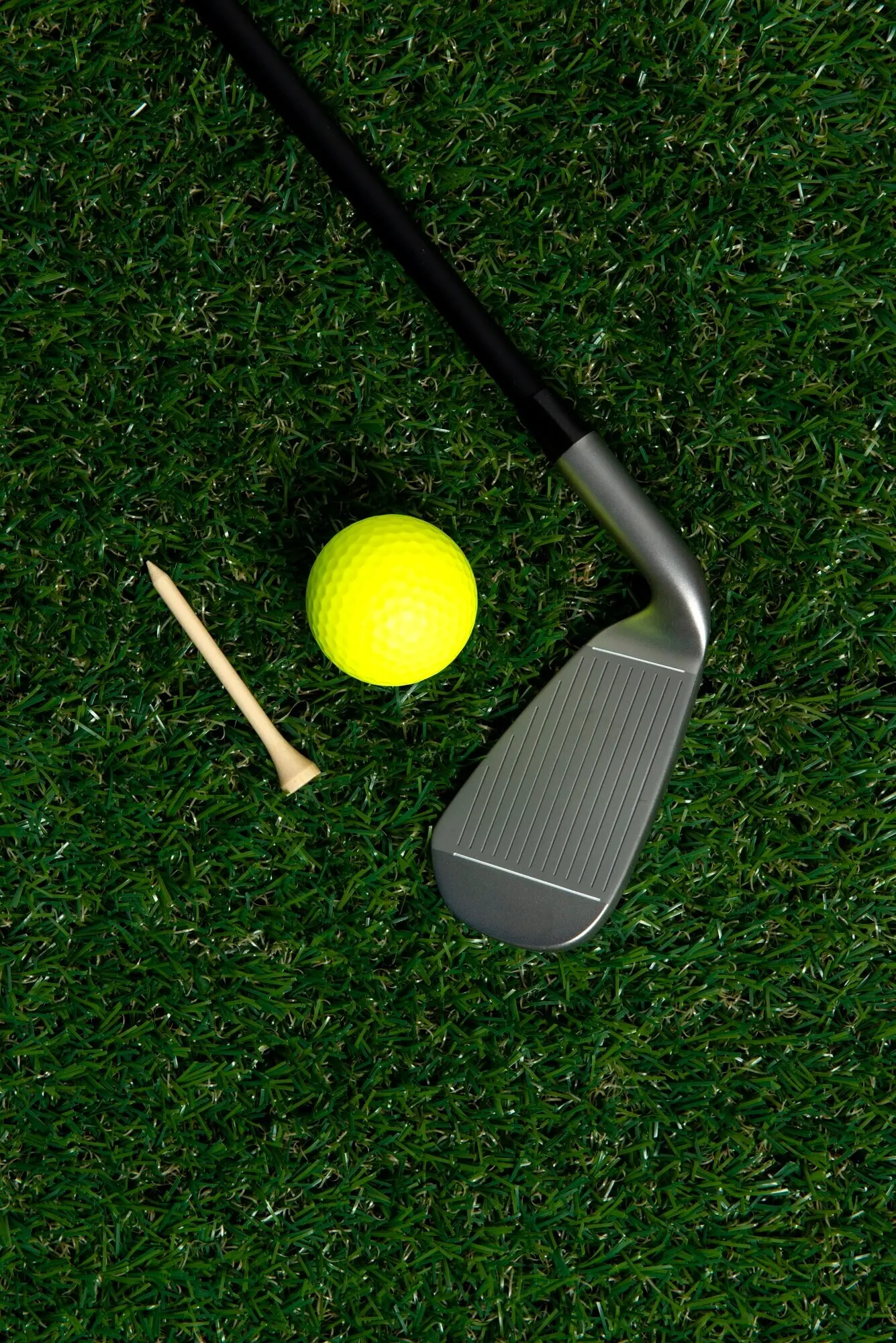
Cleaner Rounds, Same Pace of Play
Smart Tees, Markers, and Little Things
Move Yourself, Power Lightly
Hydration, Snacks, and Zero-Waste Habits
From Personal Choices to Club-Wide Momentum
Swap Meets and Repair Clinics
Organize seasonal exchanges where players bring spare clubs, bags, and apparel. Set up a regripping station with experienced volunteers and safety gear. Provide labeling cards detailing loft, lie, and flex. Keep a donation bin for beginner sets. Publish before-and-after photos and cost savings. People return when they see real value and friendly expertise.
Ball Retrieval and Donation Drives
Partner with course staff to map common collection areas and schedule safe retrieval. Sort balls by condition, clean gently, and route playable ones to community leagues or school programs. Recycle packaging, track quantities diverted, and share impact metrics. A modest operation can redirect thousands of balls annually and fund new practice mats or trees.
A Circular Mindset in the Pro Shop
Encourage stocking of spare parts, repair tools, refillable care products, and refurbished sets with clear grading. Offer deposit incentives for returning broken shafts. Display upcycled pieces made locally. Train staff to fit for longevity, not churn. Publish maintenance guides and host Q&A evenings. A supportive shop becomes the hub where sustainability meets performance and friendship.
Retiree to Gardener-in-Chief

The Junior Team Grip Marathon

The Circular Set at a Tiny Pro Shop


All Rights Reserved.